
Best AI Image Generator 2026: GPT Image 2, Midjourney, FLUX, Nano Banana compared
The best AI image generator in 2026 depends on the job: GPT Image 2 leads for prompt accuracy and realistic everyday images, Midjourney V8.1 wins on artistic style, FLUX.2 is the photorealism specialist, Nano Banana Pro owns true 4K and editing, and Ideogram 3 is the one that renders legible text. There is no single winner — the smart move is to pick per task, and Twin AI lets you run all of them in one place without a VPN.
TL;DR — which AI image generator wins in 2026
Short on time? Here is the verdict. Each pick is unpacked below with strengths, weak spots and pricing.
- Best overall / most accurate → GPT Image 2 (OpenAI). #1 on the Artificial Analysis Image Arena with the biggest first-to-second gap the leaderboard has recorded; unmatched prompt adherence and text.
- Best artistic look → Midjourney V8.1. Still the top tool for moodboards, editorial and cinematic art direction — but subscription-only, no public API.
- Best photorealism → FLUX.2 (Black Forest Labs). Photo-grade output in ~4.5s, up to 4 reference images for character consistency, open weights available.
- Best 4K and editing → Nano Banana Pro (Google). True 4096×4096 output and the cheapest route to full-resolution edits.
- Best text-in-image → Ideogram 3. The one model that reliably puts legible words inside a picture (logos, posters, thumbnails).
- Best way to use all of them → Twin AI. One account runs GPT Image 2, Midjourney, FLUX.2, Nano Banana Pro, Ideogram 3, DALL-E and Stable Diffusion, with a Compare mode and the Twin Elo leaderboard, no VPN and local-card payment.
What "best AI image generator" actually means in 2026
There is no single best AI image generator in 2026 — the field split into specialists. The right question is "best for what": prompt-accurate marketing images, painterly concept art, indistinguishable-from-a-camera photos, 4K edits, or text-heavy graphics. One model rarely tops all five at once, so testing the same prompt across a few and keeping the strongest result beats loyalty to one brand.
That is the through-line of this guide: rankings from public leaderboards tell you the general pecking order, but your prompt, your style and your budget decide the actual winner. Below is each contender, what it is genuinely best at, and where it falls short.
GPT Image 2 — most accurate all-rounder
GPT Image 2 (OpenAI) is the strongest default in 2026. It debuted at #1 on the Artificial Analysis Image Arena Text-to-Image leaderboard, and the gap to second place is the largest that board has ever measured — driven by best-in-class prompt adherence, photorealism and in-image text.
What it means in practice: if you write a detailed prompt with several constraints ("three products on a marble counter, top-down, soft window light, brand-blue label"), GPT Image 2 follows it more faithfully than anything else. The catch is cost — the high-quality tier runs around $211 per 1,000 images via API, the priciest of the majors. For everyday publishing, editing and reliable results it is the safe first pick. See the full breakdown at /alternatives/gpt-image-2.
Midjourney V8.1 — the artistic benchmark
Midjourney V8.1 remains unbeatable on pure aesthetics. For campaign moodboards, cinematic editorial shots, character concepts and visually rich hero artwork it is still the tool to test first — its default output simply looks more art-directed than rivals.
The trade-offs are structural: Midjourney is locked to a subscription with no general-purpose public API, so you cannot script it into a pipeline, and it is weaker than GPT Image 2 at literal prompt-following and text. Choose it when the look matters more than pixel-exact control. Full notes at /alternatives/midjourney.
FLUX.2 — the photorealism specialist
FLUX.2 by Black Forest Labs is the 2026 leader for photorealistic output. It generates images in about 4.5 seconds that are frequently indistinguishable from a real photograph, and it accepts up to four reference images to keep a character or product consistent across a set — ideal for lookbooks and repeated brand shots.
It is also one of only two majors (with Stable Diffusion 3.5) that release open weights, so studios can self-host. Priced around $0.015 per generation via API, it is dramatically cheaper than GPT Image 2 for high-volume realistic work. Read more at /alternatives/flux-2-pro.
Nano Banana Pro, Ideogram 3, DALL-E and Stable Diffusion
The rest of the field are specialists worth knowing:
- Nano Banana Pro (Google) — the pick the moment you need true 4K (4096×4096) or serious edit-in-place work, and the cheapest route to full-resolution output. Details at /alternatives/nano-banana-pro.
- Ideogram 3 — the only model that reliably renders legible text inside an image, which makes it the default for logos, posters and video thumbnails. See /alternatives/ideogram-3.
- DALL-E — still a friendly, well-integrated generalist, but no longer at the frontier on realism or accuracy. Covered at /alternatives/dall-e.
- Stable Diffusion 3.5 — open weights, endless community LoRAs and full local control; the power-user and self-host choice. More at /alternatives/stable-diffusion.
Head-to-head: accuracy, realism, 4K, text and price
A quick side-by-side to place the five leaders. "Best" is relative to the column, not an absolute score:
- Prompt accuracy: GPT Image 2 (1st) > Nano Banana Pro > FLUX.2 > Midjourney > Ideogram.
- Photorealism: FLUX.2 and GPT Image 2 lead; Nano Banana Pro close behind at 4K.
- Artistic style: Midjourney V8.1 first, no real contest.
- Max resolution / editing: Nano Banana Pro (true 4K) is the editing king.
- Text in image: Ideogram 3, then GPT Image 2; the rest struggle.
- API price per image: FLUX.2 (~$0.015/gen) cheapest, Nano Banana 2 (~$67/1k) mid, GPT Image 2 high tier (~$211/1k) priciest; Midjourney has no public API at all.
The catch: five great models, five separate bills
Here is the practical problem the leaderboards ignore. To actually use the best model for each job you would juggle a Midjourney subscription, an OpenAI API key, a FLUX account, Google credits and an Ideogram plan — five logins, five bills, five different UIs. And for users in Russia and much of the CIS, most of these block the region outright or refuse local bank cards at checkout, so a VPN gets you to the site but not through payment.
That fragmentation is exactly what an aggregator solves. Instead of betting on one model up front, you keep every top engine one tap away and switch per task.
How Twin AI runs every top generator in one place
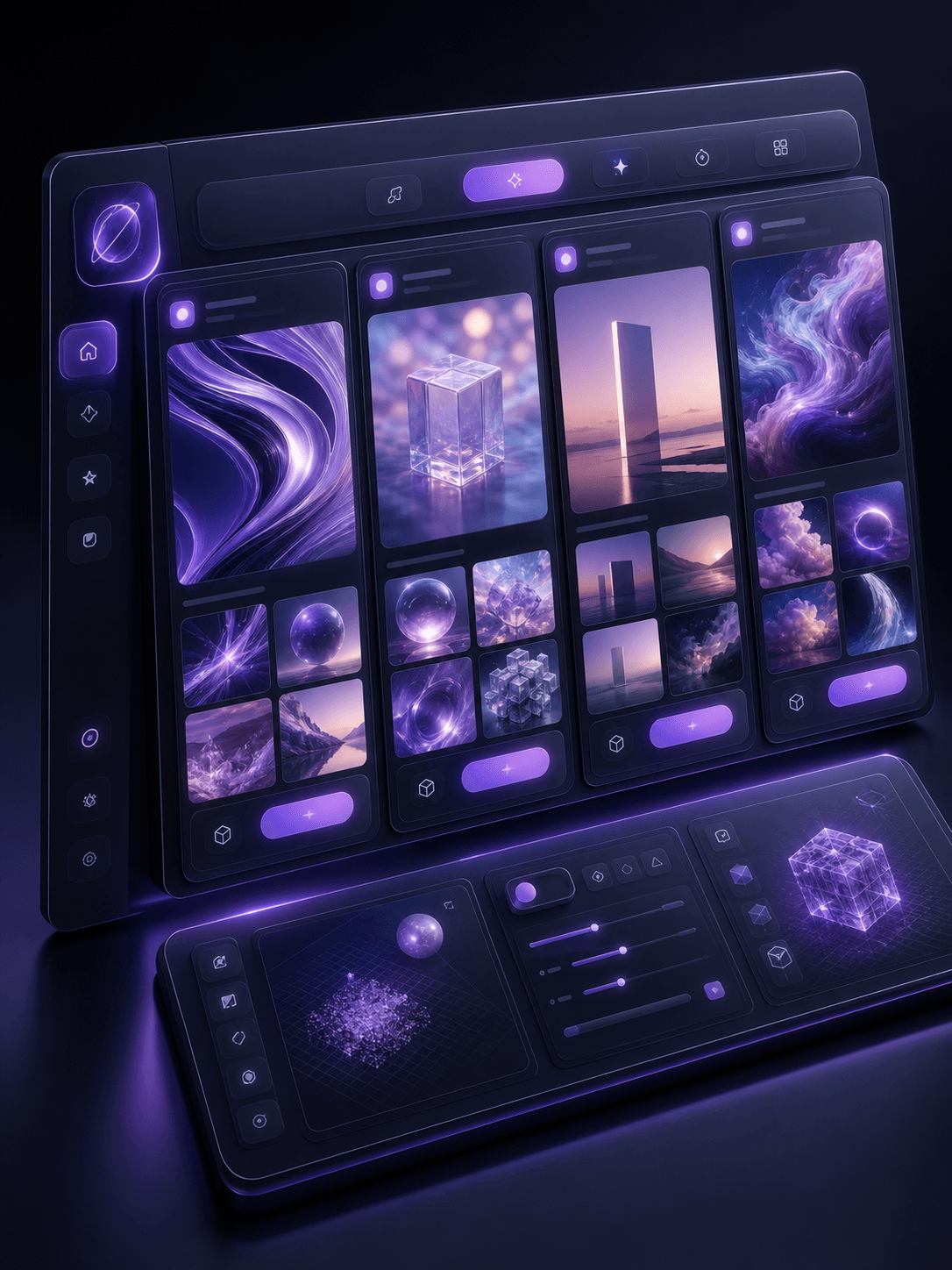
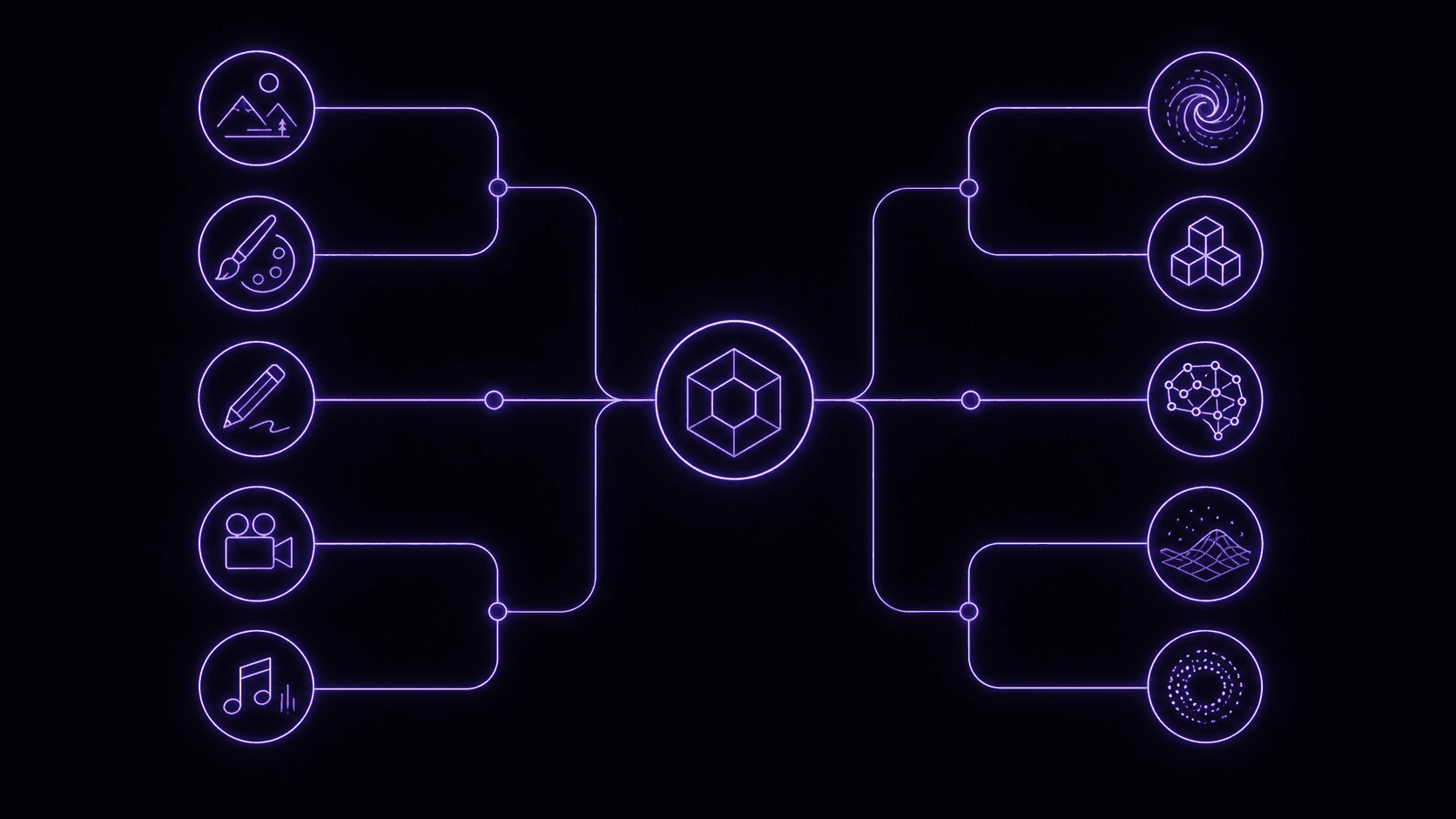
Twin AI is a single app — web and iOS — that runs the leading image models together: GPT Image 2, Midjourney, FLUX.2, Nano Banana Pro, Ideogram 3, DALL-E and Stable Diffusion, alongside video models (Sora 2, Veo 3, Kling 3, Seedance 2) and chat models. One account, one credit balance, no five subscriptions.
Two proprietary features make choosing easier. Compare mode runs the same prompt across several models at once so you see the results side by side — start at /compare. And the Twin Elo leaderboard ranks models on head-to-head user votes, so you know which engine tends to win your kind of task before you spend a credit — browse it at /models. Payment is in transparent per-generation credits with Russian cards and SBP accepted, and everything works without a VPN.
How to choose the right generator for your task
A quick decision guide so you do not have to reread the whole list:
- Marketing image that must match a detailed brief → GPT Image 2.
- Concept art, moodboard, cinematic hero shot → Midjourney V8.1.
- Photorealistic people or products, consistent across a set → FLUX.2.
- You need 4K or to edit an existing image → Nano Banana Pro.
- Logo, poster or thumbnail with real text → Ideogram 3 (see /use-cases/logo and /use-cases/youtube-thumbnail).
- A marketplace card or AI photoshoot → start at /use-cases/image-generator or /create/photo and Compare a few.
- Not sure → open /compare, run one prompt across three models, keep the best.
FAQ
What is the best AI image generator in 2026?
There is no single winner. GPT Image 2 is the most accurate all-rounder and tops the Artificial Analysis leaderboard, Midjourney V8.1 leads on artistic style, FLUX.2 on photorealism, Nano Banana Pro on 4K and editing, and Ideogram 3 on text-in-image. The best approach is to pick per task and compare a few — Twin AI runs all of them in one place.
Which AI image generator is the most realistic?
FLUX.2 by Black Forest Labs is the 2026 photorealism leader, producing photo-grade results in about 4.5 seconds, with GPT Image 2 and Nano Banana Pro close behind. For consistent realistic people or products across a set, FLUX.2 also accepts up to four reference images.
Which AI image generator is best for text inside the image?
Ideogram 3 is the only model that reliably renders legible text, which makes it the default for logos, posters and video thumbnails. GPT Image 2 is second-best at in-image text.
Which AI image generator is the cheapest?
By API price per image, FLUX.2 is the cheapest of the leaders at roughly $0.015 per generation, Google Nano Banana sits in the middle (~$67 per 1,000), and the GPT Image 2 high tier is the priciest (~$211 per 1,000). Midjourney has no public API and is subscription-only.
Can I use these AI image generators without a VPN in Russia?
Most of them block Russia or decline local cards directly, so a VPN opens the site but not payment. Twin AI runs GPT Image 2, FLUX.2, Nano Banana Pro, Midjourney and more through its own servers with Russian-card and SBP payment, so no VPN or foreign card is needed.
Do I need separate subscriptions for each model?
Not with an aggregator. Twin AI gives you GPT Image 2, Midjourney, FLUX.2, Nano Banana Pro, Ideogram 3, DALL-E and Stable Diffusion on one account and one credit balance, plus a Compare mode and the Twin Elo leaderboard to help you choose.