
Kling vs Seedance: which AI video model is better in 2026?
Kling 3.0 (Kuaishou) leads on cinematic polish, physics-accurate motion and the most generous free tier, while Seedance 2.0 (ByteDance) wins on multimodal control — up to nine reference images, Director-Mode camera commands and phoneme-level lip-sync. Both are 4K, multi-shot Chinese models that launched in February 2026, and both are hard to reach and pay for outside China. Twin AI runs Kling and Seedance together in one app, no VPN, with a Russian-card checkout.
Kling vs Seedance: the 2026 verdict at a glance
These are the two Chinese AI video engines everyone is comparing in 2026, and they are closer than the marketing suggests. Kling 3.0 comes from Kuaishou and is prized for cinematic realism, physics and a mature creative toolkit; Seedance 2.0 comes from ByteDance (the TikTok parent) and pushes the hardest on multimodal reference inputs and director-style control. Both landed in February 2026, both do native 4K and multi-shot storytelling, and both sync audio to the video. Quick takeaways before the detailed breakdown:
- Cinematic quality & physics → Kling 3.0. Its motion realism and prompt adherence are the reference point most reviewers still measure against.
- Reference control → Seedance 2.0. It accepts up to nine images plus reference videos and audio, so you can pin characters, style and scene far more tightly.
- Free tier → Kling. Its ~66 daily free credits are the most generous in the field; Seedance has no comparable free allotment.
- Camera direction → Seedance. Director Mode turns text into pan, tilt, dolly and zoom commands; Kling answers with Motion Brush motion paths.
- Lip-sync & audio → close. Seedance does phoneme-level lip-sync; Kling ships built-in audio across five languages.
- Access from Russia → both need a VPN and a foreign (or Chinese) payment method directly. Twin AI runs both without a VPN and takes a Russian card.
Kling vs Seedance comparison table
Head-to-head on the criteria that actually change your workflow. Figures reflect the mid-2026 shipping products and come from public pricing pages and third-party write-ups — verify current numbers on the official Kling and Seedance pages before you commit, since both are iterating fast (Kling 3.0 Turbo/Omni and Seedance 2.5 both shipped mid-2026).
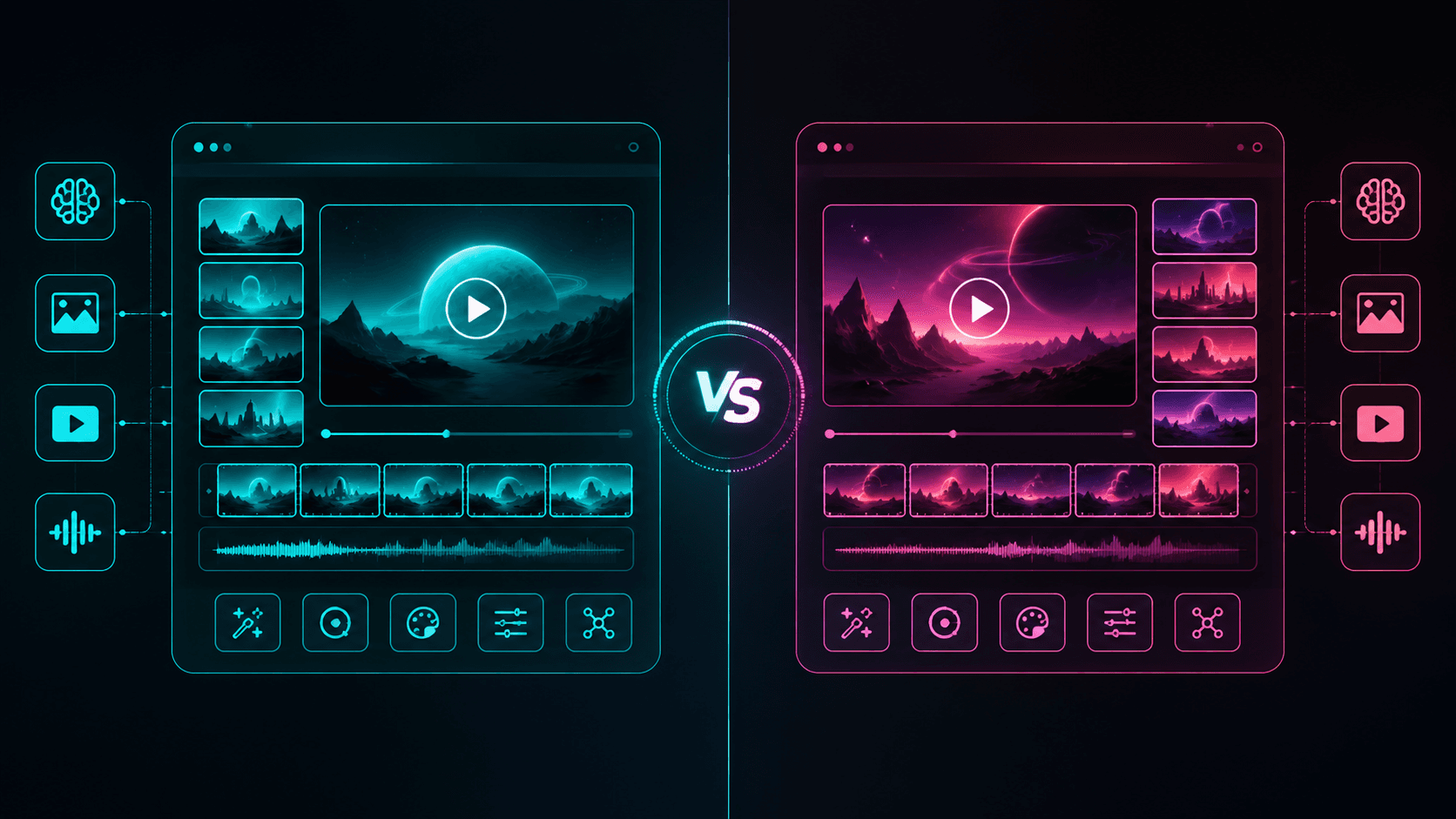
- Maker — Kling: Kuaishou. Seedance: ByteDance.
- Launched — Both: February 2026 (Kling 3.0 on 5 Feb; Seedance 2.0 same month).
- Max resolution — Kling: native 4K (up to 4K 60fps in Multi-Shot via Omni). Seedance: native 4K (2K/1080p at 24fps for standard output).
- Clip length — Kling: ~15s (extended from 10s). Seedance: 4-15s (Seedance 2.5 pushes native 30s).
- Reference inputs — Kling: text + image. Seedance: text + up to 9 images + 3 videos + 3 audio.
- Directorial control — Kling: Motion Brush motion paths, multi-shot storyboard (up to 6 shots). Seedance: Director Mode camera commands, multi-shot with character consistency.
- Native audio — Kling: built-in, 5 languages, lip-synced. Seedance: audio-video sync with phoneme-level lip-sync.
- Free tier — Kling: ~66 daily free credits (no commercial use on free). Seedance: no comparable free allotment.
- Consumer price — Kling: Standard ~$6.99/mo, Pro ~$25.99/mo, Premier ~$64.99/mo, Ultra ~$127.99/mo. Seedance: roughly $9-$249/mo across tiers.
- API price — Kling: per-credit video/image API. Seedance: ~$0.10/sec standard, ~$0.081/sec fast.
- From Russia — Both need VPN + foreign/Chinese payment directly; via Twin AI /create/video, neither.
Kling 3.0 (Kuaishou): strengths and weaknesses
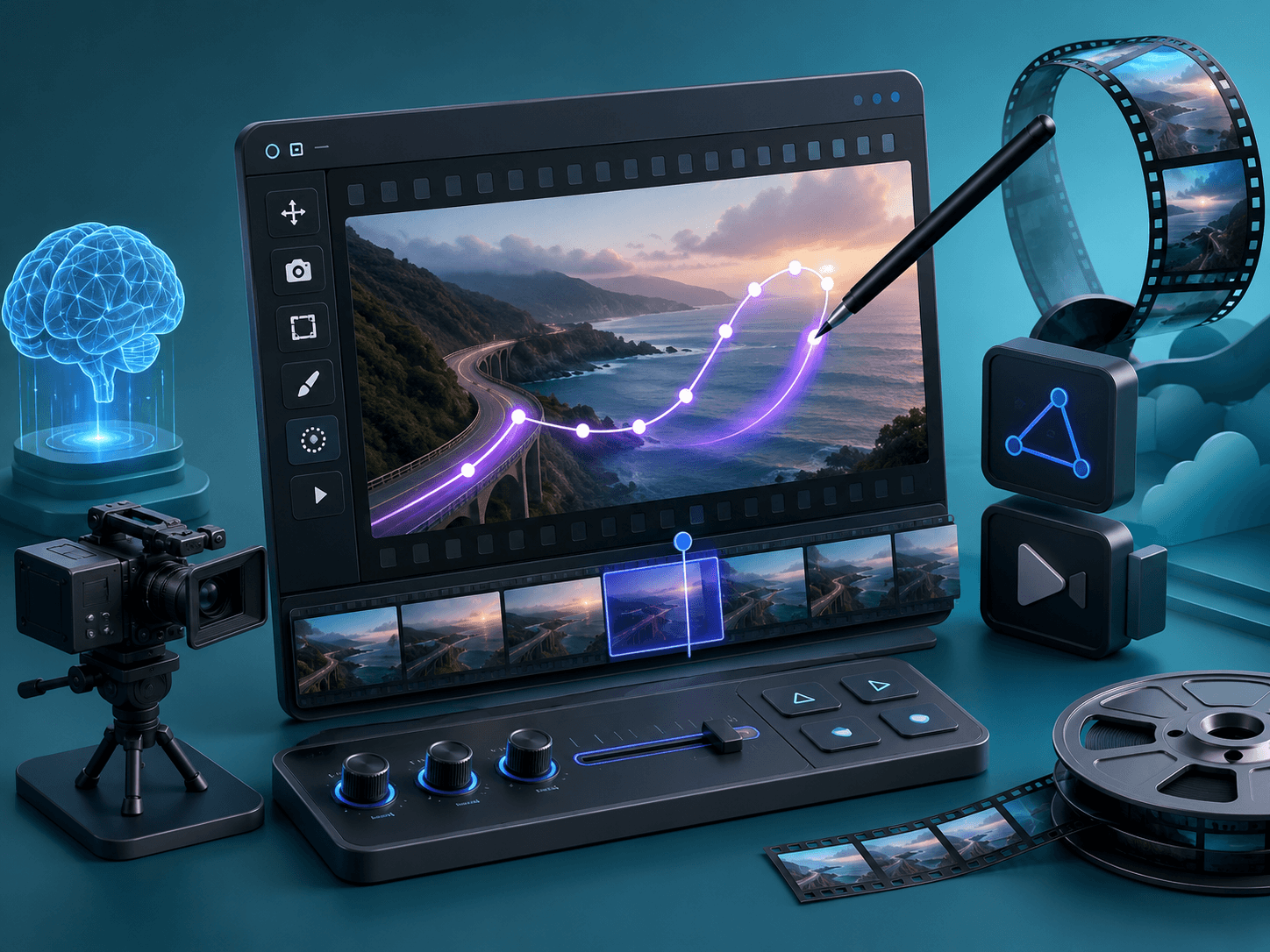
Kling 3.0 is the cinematic benchmark. Built on Kuaishou's Omni One architecture, it renders physics-accurate motion — weight, momentum and object interaction — and pairs it with a mature toolkit: Motion Brush to draw a custom motion path a shot follows, a multi-shot storyboard mode for up to six connected shots, and built-in lip-synced audio across five languages. Native output reaches 4K, and Multi-Shot goes up to 4K 60fps via the mid-2026 Omni/Turbo update.
Where it wins: realism, prompt adherence and the best free tier in the category (~66 daily credits). If your priority is believable, film-grade motion with directorial motion control, Kling is the safe default — see our /alternatives/kling-3 breakdown.
Where it frustrates: reference control is thinner than Seedance (image + text rather than a stack of nine references plus video and audio), the free tier bars commercial use, and clip length still tops out around 15 seconds. Pricing also climbs steeply — the Ultra tier is roughly $127.99/mo — so heavy users pay real money.
Seedance 2.0 (ByteDance): strengths and weaknesses
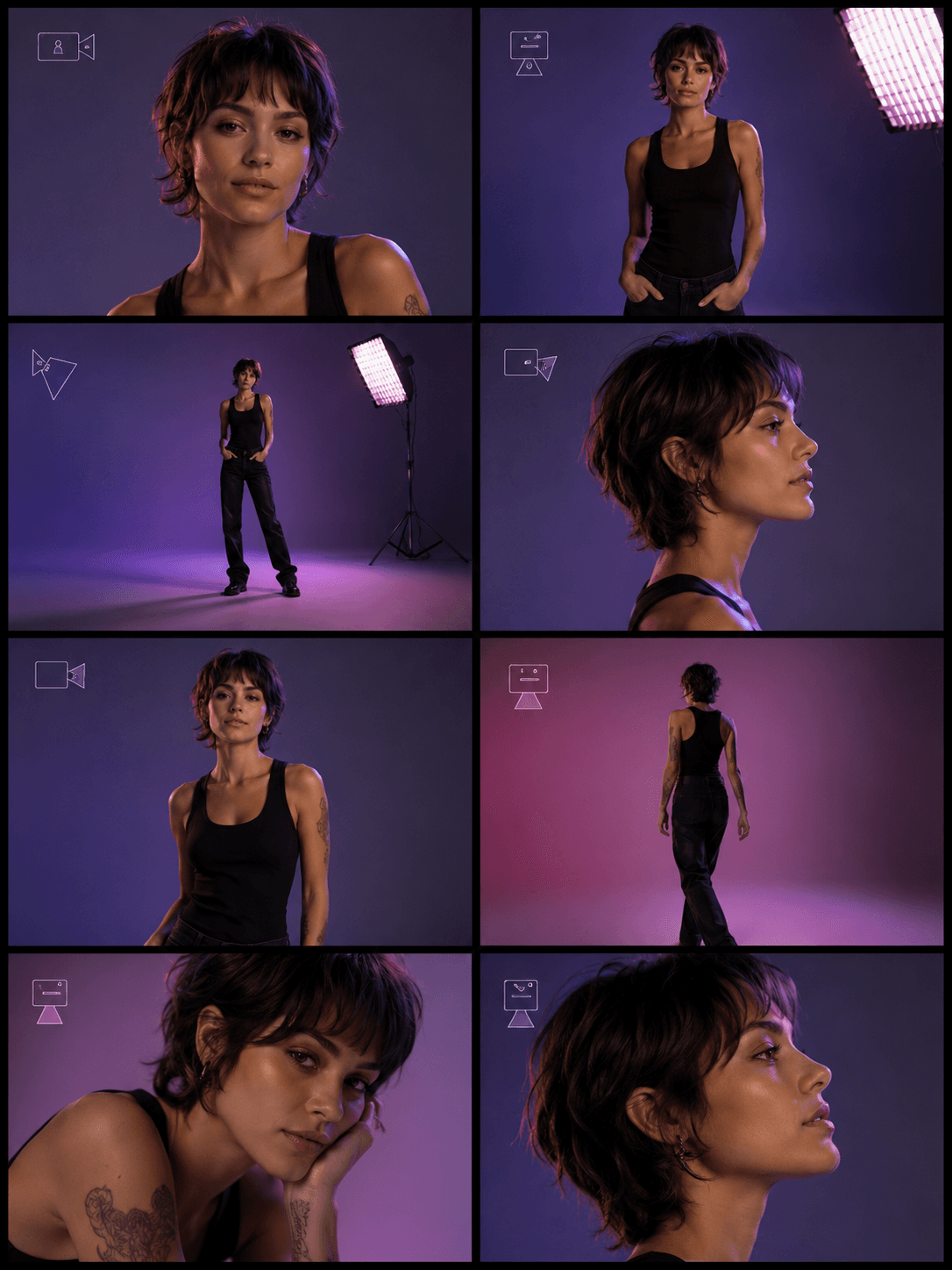
Seedance 2.0 is the multimodal control specialist. Its unified audio-video joint architecture accepts a remarkable stack of inputs — text, up to nine reference images, three reference videos and three audio files — which is why reviewers call it the most comprehensive reference-and-editing setup in the field. Director Mode turns plain text into camera commands (pan, tilt, dolly, zoom), multi-shot storytelling keeps characters and environments consistent across clips, and phoneme-level lip-sync tightens dialogue.
Where it wins: reference fidelity and shot direction. If you need to lock a specific character, style or scene across several shots — or feed in your own footage and audio to steer the result — Seedance gives you more handles than Kling. Coming from ByteDance, it also benefits from the same research lineage as TikTok's recommendation stack. See our /alternatives/seedance-2 breakdown.
Where it frustrates: there is no generous free tier to match Kling, clips still cap at 4-15 seconds (30s only on the newer Seedance 2.5), text rendering inside frames is unreliable, and generation can take 60-180 seconds per clip. The cheapest official plan routes through a Chinese-language interface with Alipay/WeChat Pay.
Which is better for you?
Pick by the kind of control you actually need:
- Choose Kling 3.0 if: you want the most cinematic, physics-accurate motion, value Motion Brush motion paths, or need a strong free tier to prototype before you pay.
- Choose Seedance 2.0 if: you need tight reference control (up to nine images plus video and audio), Director-Mode camera commands, or rock-solid character consistency across a multi-shot sequence.
- Choose a multi-model tool if: you would rather not bet on one Chinese lab, want Kling and Seedance side by side plus Veo, Hailuo and Wan, and need it to work without a VPN — that is exactly what /create/video in Twin AI offers.
Pricing and value for money
Both bill in tiers, but the value curves differ. Kling has a clear consumer ladder — Standard around $6.99/mo, Pro around $25.99/mo, Premier around $64.99/mo and Ultra around $127.99/mo — plus the standout free allotment of roughly 66 daily credits (no commercial use). Seedance spans roughly $9 to $249/mo depending on tier, with its cheapest official option routed through a Chinese-language plan paid via Alipay or WeChat Pay. On the API, Seedance runs about $0.10 per second (standard) or $0.081 per second (fast), while Kling charges per credit for video and image generation.
The honest takeaway on value: for casual creators and prototyping, Kling wins on the free tier and a gentle entry price; for production teams that lean on reference inputs and Director Mode, Seedance can justify its higher tiers. Either way, price the actual monthly volume you generate rather than the headline number, and sanity-check live figures on /pricing and the official pages, since both models re-priced during 2026.
Both are hard to reach outside China
The practical catch with either model is access. Kling and Seedance are Chinese products, so from Russia and many other regions you typically need a VPN to load them and a foreign or Chinese payment method to subscribe — Seedance's cheapest plan even expects Alipay or WeChat Pay through a Chinese-language interface. That friction, not raw quality, is what stops most people from using them at all.
This is where an aggregator changes the math. Instead of standing up a VPN, juggling foreign cards and learning two separate interfaces, you reach both engines through one workspace that already handles regional access and local payment. The comparison stops being "Kling or Seedance" and becomes "use whichever fits the shot, in the tool you can actually pay for" — read the full picture in our /blog/sora-2-shutdown-best-alternatives-may-2026 pillar on the shifting video-model landscape.
You don't have to choose — use both in Twin AI
Twin AI puts a whole roster of video models into one workspace, so you never have to pick a single Chinese lab. In /create/video you generate pay-as-you-go on Kling and Seedance alongside Veo 3, Hailuo and Wan 2.7; Twin Agent in /chat can route a request to the right model automatically; and you never touch a VPN, a Chinese payment app or a separate subscription for each tool.
Two things you cannot get from Kuaishou or ByteDance directly: it works without a VPN from Russia and other restricted regions, and it accepts Russian-card payment with free starter credits. In short, it is "the best video models in one window, no setup" — start on /create/video, compare options in /compare, or read the /alternatives/kling-3 and /alternatives/seedance-2 breakdowns.
FAQ
Is Kling or Seedance better in 2026?
It depends on the job. Kling 3.0 leads on cinematic realism, physics-accurate motion and the best free tier, while Seedance 2.0 leads on multimodal reference control — up to nine reference images plus video and audio — and Director-Mode camera commands. Both are 4K, multi-shot Chinese models from February 2026; for polish pick Kling, for reference fidelity pick Seedance.
Who makes Kling and Seedance?
Kling is made by Kuaishou, a major Chinese short-video company, and Seedance is made by ByteDance, the company behind TikTok/Douyin. Both are Chinese AI labs, which is why access and payment from outside China usually require a VPN and a foreign or Chinese payment method.
Which has higher resolution, Kling or Seedance?
Both generate native 4K. Kling 3.0 reaches up to 4K 60fps in its Multi-Shot mode via the Omni update, while Seedance 2.0 outputs native 4K with 2K/1080p at 24fps for standard clips. For most social and marketing work either is more than sufficient; the deciding factor is usually control, not raw resolution.
Does Kling or Seedance give more creative control?
They control different things. Seedance 2.0 gives more input control — up to nine reference images plus reference videos and audio, and Director Mode camera commands. Kling 3.0 gives more motion control through Motion Brush, where you draw the exact path a region follows. If you steer with references, Seedance wins; if you steer with motion paths, Kling wins.
Which is cheaper, Kling or Seedance?
Kling is cheaper to start: its Standard plan is around $6.99/mo and it offers roughly 66 free daily credits. Seedance ranges from about $9 to $249/mo, with its cheapest official plan routed through a Chinese-language interface paid via Alipay or WeChat Pay. On the API, Seedance costs about $0.10 per second.
Can I use Kling or Seedance in Russia without a VPN?
Directly, both usually need a VPN and a foreign or Chinese payment method — Seedance's cheapest plan even expects Alipay or WeChat Pay. Twin AI removes that: /create/video runs Kling and Seedance without a VPN and accepts Russian-card payment, with free credits to start.
What should I use instead of Kling or Seedance?
A multi-model tool is the safest choice, so no single Chinese lab locks you in. Twin AI /create/video runs Kling and Seedance alongside Veo 3, Hailuo and Wan, and Twin Agent can pick the right one automatically. See our /alternatives/kling-3 and /alternatives/seedance-2 guides.