
Leonardo AI vs Midjourney: which is better in 2026?
Midjourney (V8.1) still wins on out-of-the-box artistic beauty, while Leonardo AI (now a Canva product, running Lucid Origin and Phoenix) wins on control, fine-tuning, a real free tier and a public API. Midjourney is a polished creative studio; Leonardo is a flexible production toolkit for game art, product shots and brand-consistent output. Pick Midjourney for effortless beauty, Leonardo for control — or run a whole roster of image models inside Twin AI with no VPN and a Russian-card checkout.
Leonardo AI vs Midjourney: the 2026 verdict at a glance
Both are top-tier image generators, but they were built for different users. Midjourney V8.1 (rolled out as the default in June 2026) is a hosted studio famous for its "too beautiful" default look. Leonardo AI — acquired by Canva in 2024 and still run as its own brand — is a production toolkit with model choice, fine-tuning, a canvas editor and a public API. The quick takeaways before the detailed breakdown:
- Out-of-the-box art → Midjourney. Its default lighting, colour and composition still feel the most "finished" with zero tuning.
- Control & consistency → Leonardo. LoRA training, Elements and per-model control keep a character or brand style consistent across many images.
- Free tier → Leonardo only. Leonardo gives ~150 free tokens a day; Midjourney has no free tier in 2026.
- Game & concept-art assets → Leonardo. Genre models, sprites and asset pipelines are a core Leonardo strength.
- Public API → Leonardo only. Its Creative Engine API is open to developers; Midjourney has no public API for standard accounts.
- Access from Russia → both need a VPN and a foreign card directly. Twin AI runs image models without a VPN and takes a Russian card.
Leonardo AI vs Midjourney comparison table
Head-to-head on the criteria that change your workflow. Figures reflect the mid-2026 shipping products and come from public pricing pages and third-party write-ups — verify current numbers on the official leonardo.ai and midjourney.com pages before you commit, since token allotments and tiers change often.
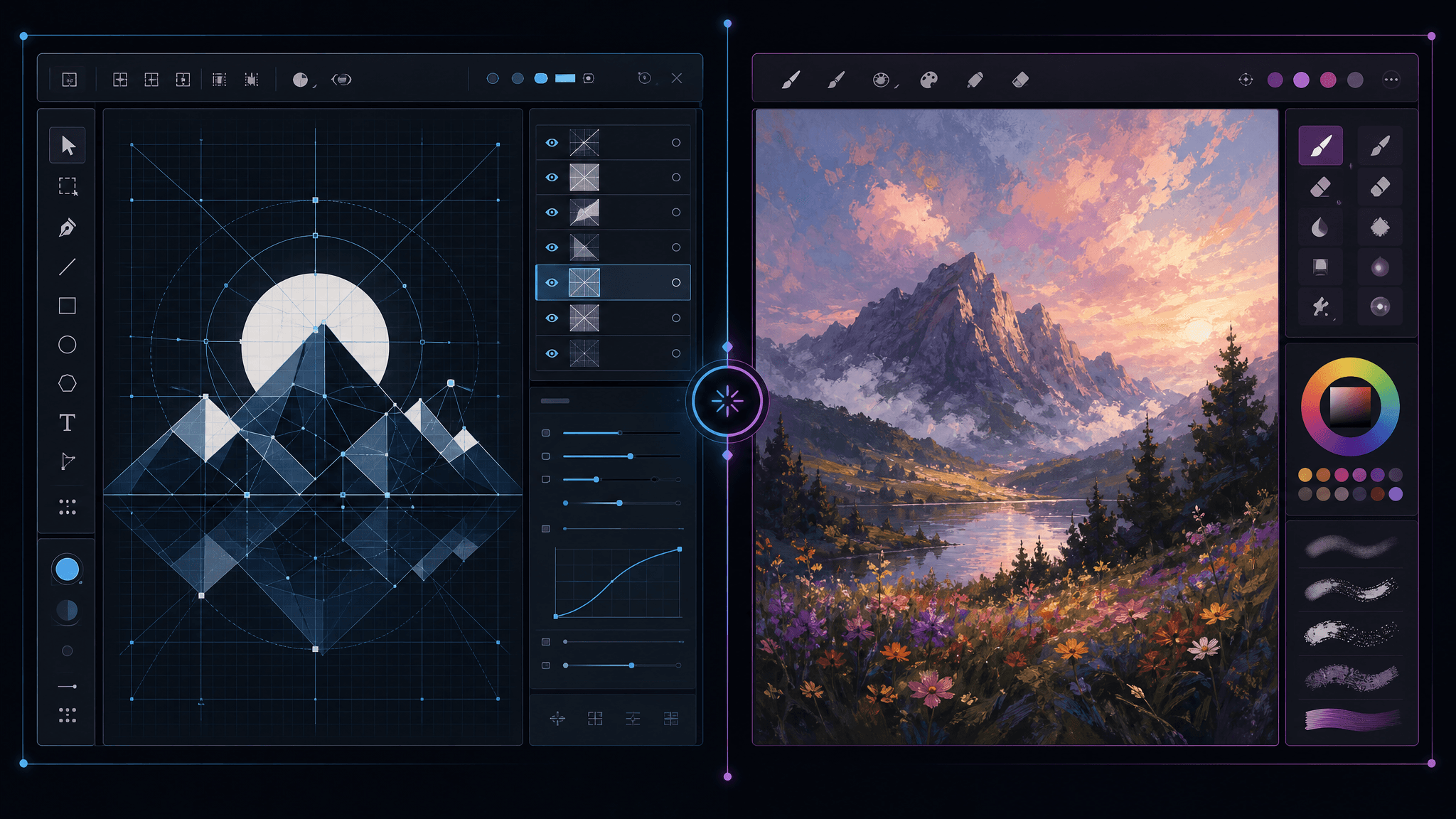
- Flagship model — Leonardo: Lucid Origin / Lucid Realism / Phoenix. Midjourney: V8.1 (native HD 2K).
- Owner / release — Leonardo: Canva-owned, hosted + API. Midjourney: independent, hosted only.
- Out-of-box aesthetic — Leonardo: excellent, more literal. Midjourney: best-in-class default look.
- Control & consistency — Leonardo: LoRA, Elements, per-model tuning. Midjourney: style refs + personalization, no training.
- Photorealism — Leonardo: strong (Lucid Realism / Phoenix). Midjourney: strong but idealized.
- Text in images — Leonardo: slightly ahead. Midjourney: improved in V8.1, still weaker for design copy.
- Free tier — Leonardo: ~150 tokens/day (public generations). Midjourney: none.
- API / self-serve dev — Leonardo: public Creative Engine API. Midjourney: no public API (enterprise only).
- Price — Leonardo: Free + ~$12 / ~$30 / ~$60 per month. Midjourney: $10 / $30 / $60 / $120 per month.
- From Russia — Both need VPN + foreign card directly; via Twin AI /create/photo, neither.
Leonardo AI (Lucid Origin / Phoenix): strengths and weaknesses
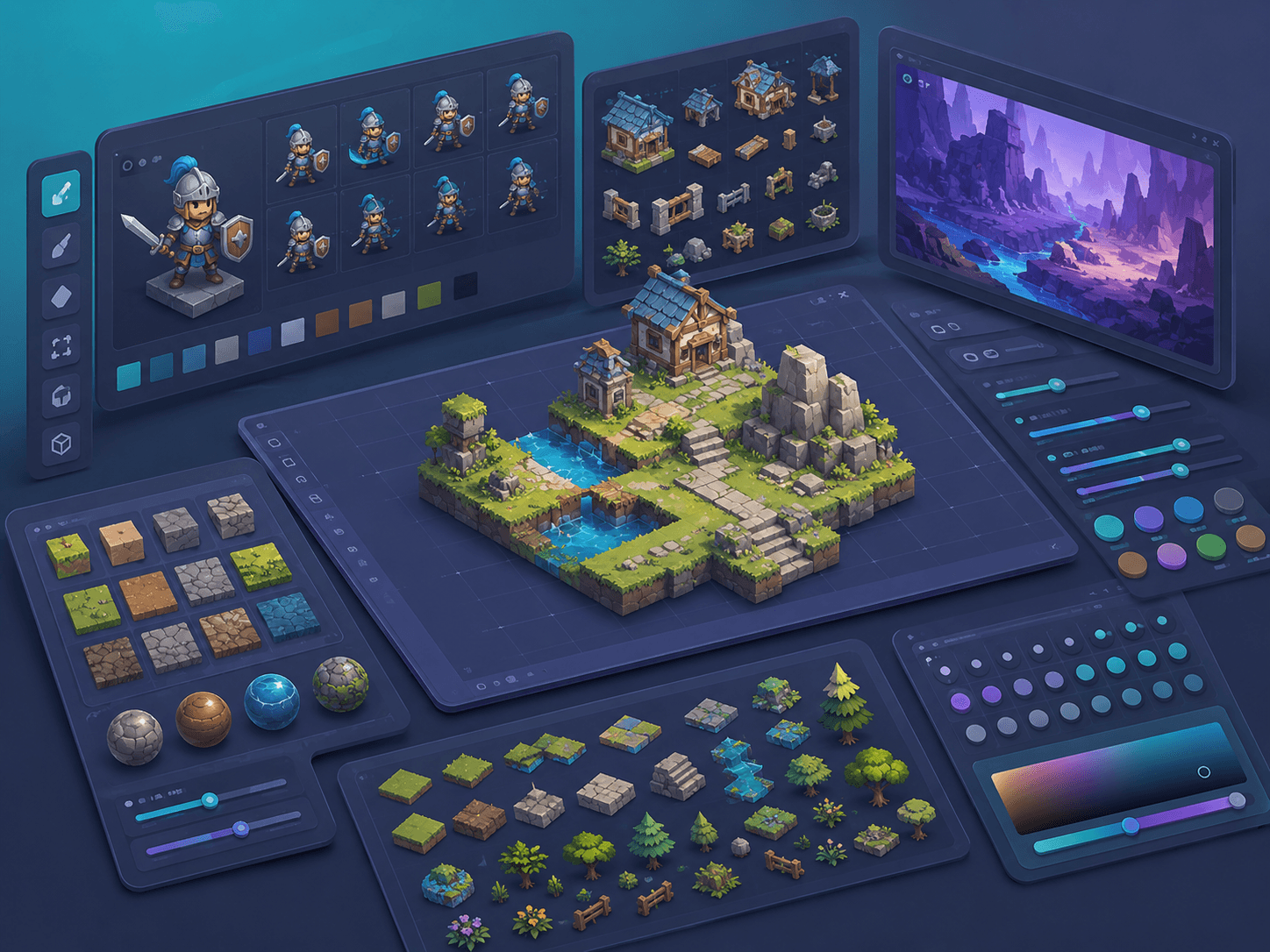
Leonardo AI is the control-first challenger, and since the Canva acquisition it has grown into a full production suite. Its 2026 lineup pairs Lucid Origin (a versatile cinematic flagship, with a higher-fidelity Ultra tier), Lucid Realism for photoreal product and commercial shots, and Phoenix for tight prompt adherence — and it also serves third-party models like Flux and Ideogram inside one interface.
Where it wins: control and repeatability. LoRA fine-tuning lets you train on a proprietary style or character; Elements layers multiple style models; Real-Time Canvas and Flow State give live, editable generation; Alchemy and the Universal Upscaler clean up output; and Motion turns stills into short clips. Uniquely here, Leonardo has a genuine free tier (~150 tokens a day) and a public Creative Engine API, so developers and studios can wire it into pipelines. It is a favourite for game art and concept assets — see our /alternatives/leonardo breakdown.
Where it frustrates: the raw out-of-box "wow" still trails Midjourney until you prompt and tune deliberately; the token accounting on the free plan burns fast (one image is roughly 2-5 tokens); and the feature-rich UI has a steeper learning curve than Midjourney.
Midjourney (V8.1): strengths and weaknesses
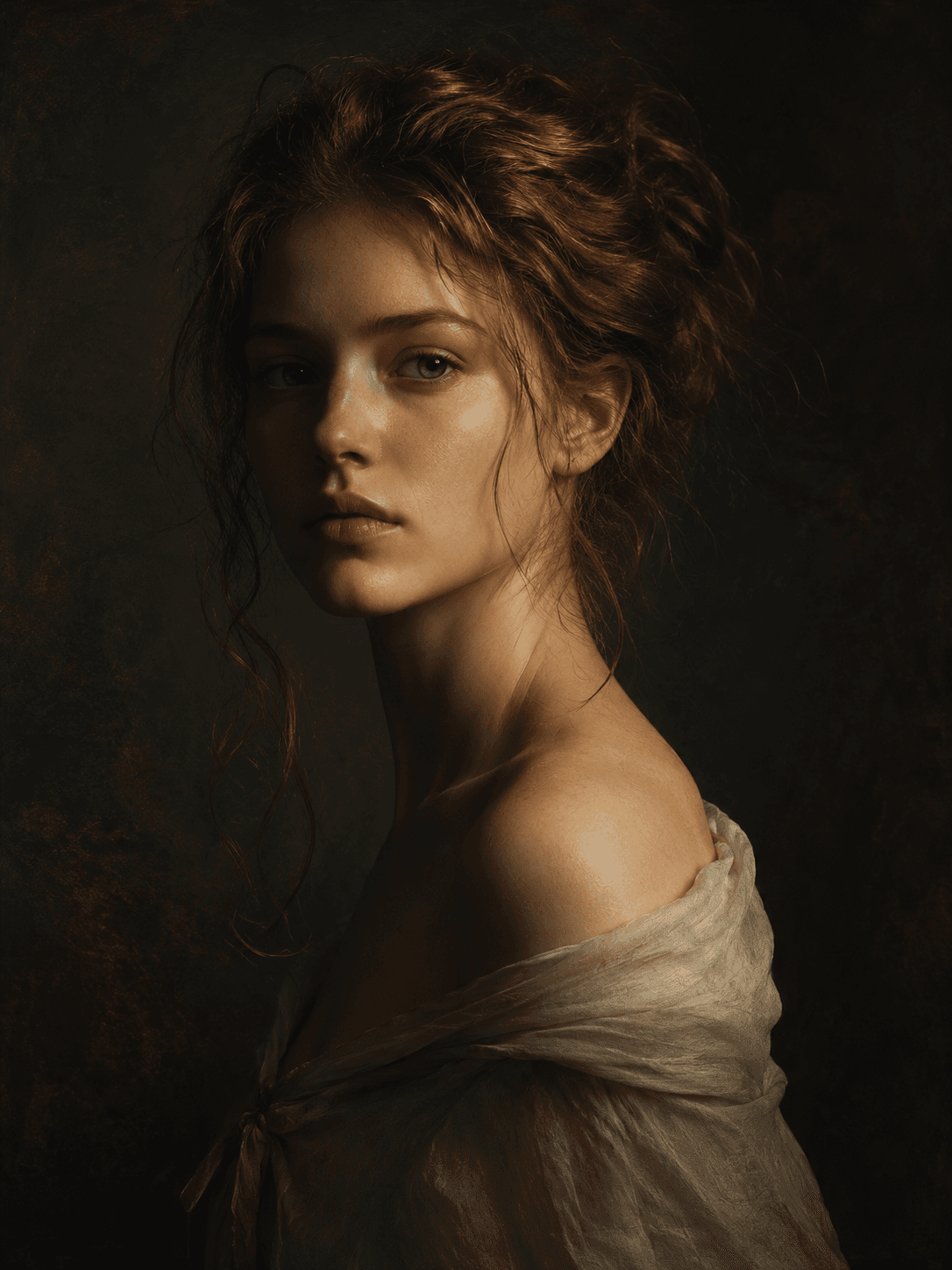
Midjourney is still the reference point for beautiful AI art. V8.1 became the default in June 2026, renders native HD 2K without upscaling, and is roughly 4-5x faster than earlier versions while holding onto small prompt details better.
Where it wins: the default aesthetic. Lighting, colour and composition feel "complete" out of the box, which is why it dominates concept art, moodboards and social visuals. The web editor and huge community make it easy to learn, paid plans include full commercial usage rights, and V8.1 is about 25% cheaper per render than V7. See our /alternatives/midjourney breakdown for the full picture.
Where it frustrates: it is subscription-only with no free tier, no model choice and no fine-tuning; there is no public API for standard accounts, so you cannot wire it into a product; results can be "too beautiful", idealizing subjects instead of rendering them literally; and text in images, while improved in V8, still trails purpose-built tools for posters, labels and UI copy.
Which is better for you?
Pick by job, not by hype:
- Choose Midjourney if: you want the most beautiful art with the least effort, work on concept art / moodboards / social visuals, and prefer a hosted studio over any setup.
- Choose Leonardo if: you need consistent characters or brand styles, make game or concept-art assets, want to fine-tune with LoRAs, need a free tier, or are wiring generation into a product via API.
- Choose neither exclusively if: you mix marketplace product shots, avatars and creative art — a multi-model tool (like /create/photo in Twin AI) covers more ground than one subscription.
Pricing, licensing and value for money
The pricing models only partly overlap. Midjourney is a subscription: Basic $10/mo, Standard $30/mo, Pro $60/mo (adds Stealth Mode) and Mega $120/mo, each with a monthly allotment of fast GPU hours and a 20% annual discount — but no free tier in 2026. Leonardo mixes a free plan (~150 tokens a day, with public generations) and paid tiers commonly listed around $12, $30 and $60 per month for progressively larger monthly token allotments, also with an annual discount. Because Leonardo bills in tokens (~2-5 per image) and Midjourney in GPU hours, the cheapest way to compare is to price the actual monthly volume you generate.
Licensing is the other fork. Midjourney paid plans grant commercial rights to your generations, and Stealth/private mode is limited to the Pro and Mega tiers. Leonardo grants commercial rights on paid plans, but free-tier generations are public — so keep client work on a paid plan. The honest takeaway: Midjourney tends to win on cost-per-image for a creator who just wants beautiful stills, while Leonardo wins on flexibility, a zero-cost entry point and volume inside a product. Sanity-check the live numbers on /pricing and the official pages before committing.
Free tier, API and ecosystem
Beyond raw output, the ecosystem often decides the winner. Midjourney is a closed, hosted product: a polished web editor, a massive Discord community and a mature prompt culture, but no free tier, no model choice and no public API for standard users. Leonardo is the opposite — a free entry point, multiple in-house and third-party models, LoRA training and a documented Creative Engine API that developers embed into apps and pipelines.
That difference maps onto who each tool is for. If you are a solo creator who just wants gorgeous images, Midjourney's closed polish is a feature, not a limitation. If you are a studio keeping a character consistent, a game team churning out assets, or a builder who needs API access and fine-tuning, Leonardo's flexibility is the whole point. For a broader view of the field, see our /use-cases/image-generator hub, the /alternatives/flux-2-pro and /alternatives/nano-banana-pro write-ups, and the full /models catalogue.
You don't have to choose — use image models in Twin AI
Twin AI puts 9+ models into one workspace, so you get high-end generation without a Discord account, an API key or a monthly subscription lock-in. In /create/photo you generate pay-as-you-go; Twin Agent in /chat can route a request to the right model automatically; and ready-made /photoshoots templates turn those models into one-tap avatars, product shots and portraits.
Two things you cannot get from Midjourney or Leonardo directly: it works without a VPN from Russia and other restricted regions, and it accepts Russian-card payment with free starter credits. In practice it is "a roster of image models in one window, no setup" — start on /create/photo, browse /photoshoots, or read the full /alternatives/midjourney and /alternatives/leonardo write-ups.
FAQ
Is Leonardo AI or Midjourney better in 2026?
Neither is universally better. Midjourney V8.1 wins on default artistic quality and ease of use; Leonardo AI wins on control, fine-tuning, a free tier and a public API. Choose Midjourney for effortless beauty, Leonardo for consistency, game assets and scale — or use a multi-model tool that includes several image models.
Does Leonardo AI or Midjourney have a free plan?
Leonardo AI has a free tier that grants roughly 150 tokens per day (a token is about 2-5 per image), though free generations are public. Midjourney has no free tier or free trial in 2026 — the cheapest entry is the $10/mo Basic plan.
Which is better for game art and consistent characters?
Leonardo AI. Its genre-specific models, Elements style layering and LoRA fine-tuning are built for game assets, concept art and keeping a character or brand style consistent across many images. Midjourney is stronger for one-off beautiful visuals than for repeatable, controllable production.
Does Midjourney have an API like Leonardo?
Not for standard accounts. Leonardo AI offers a public Creative Engine API for text-to-image, image-to-image and image-to-video that developers can integrate. Midjourney has no public API for regular users, so you cannot wire it into a product without an enterprise arrangement.
Which renders text in images better?
Both are imperfect, but Leonardo is generally a touch more reliable for short in-image text. Midjourney improved text handling in V8/V8.1, yet for posters, product labels and UI copy a purpose-built or design tool still beats either — treat complex typography as a post-step.
Which is cheaper, Leonardo AI or Midjourney?
It depends on volume. Leonardo starts free and its paid tiers are commonly listed around $12-$60/mo by token allotment; Midjourney runs $10-$120/mo by GPU hours with no free tier. Light users often prefer Midjourney for pure stills; anyone needing a free start, API access or high volume tends to favour Leonardo. Verify live prices before you buy.
Can I use Leonardo AI or Midjourney in Russia without a VPN?
Directly, both usually need a VPN and a foreign card — Midjourney via its web/Discord subscription and Leonardo via its site or API. Twin AI removes that: /create/photo runs image models without a VPN and accepts Russian-card payment, with free credits to start.